
Select your currency
- AEDUAE Dirham - د.إ
- CADCanadian Dollar - $
- GBPPound Sterling - £
- INRIndian Rupee - ₹
- MXNMexican Peso - $
- THBBaht - ฿
- USDUS Dollar - $

Planning a trip across Europe sounds exciting until you start choosing where to go. With so many cities and routes, it’s easy to feel stuck before you even begin. This guide simplifies that process, helping you focus on the best places to travel in Europe based on your time, budget, and travel style.
The cities you choose shape your entire trip. The right ones save time, reduce stress, and help you get more out of each stop, while the wrong mix can leave you rushing or overspending. For shorter trips, stick to fewer, well-connected cities; longer stays give you space to slow down and get more deeply. Your budget will also guide your options, from expensive capitals to more affordable alternatives. Most importantly, focus on what matters to you: culture, food, nightlife, or a relaxed pace, and choose cities that match. Easy connectivity between them keeps your itinerary smooth and practical.
Not every destination works for every traveler, and that’s where most planning goes wrong. Instead of trying to fit everything into one trip, it’s more practical to choose cities that align with how you like to travel. This not only makes your itinerary easier to manage but also ensures you actually enjoy each stop rather than rushing through it.
If it’s your first time in Europe, stick to cities that are easy to navigate and well-connected. Major capitals and cultural hubs offer a smooth experience with reliable transport, familiar landmarks, and plenty to see within a short time. These are not only some of the best places to travel in Europe with kids, but also among the best European cities to visit for first timers, thanks to their accessibility, safety, and variety of activities.
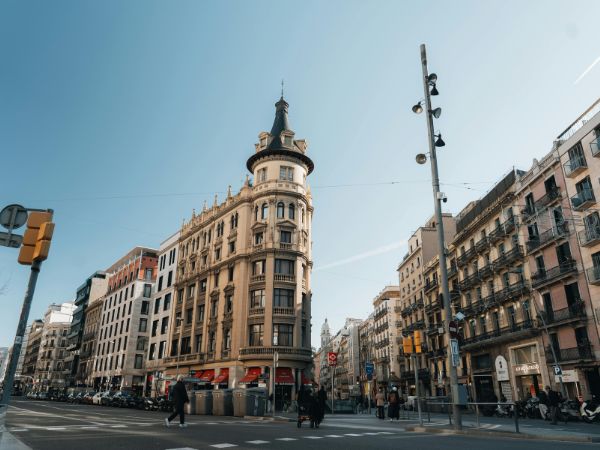
Cities like Paris, Rome, and Amsterdam are great starting points. They’re compact, tourist-friendly, and packed with iconic sights. In Paris, you’ll find world-famous landmarks, museums, parks, and family-friendly attractions like Disneyland Paris. Rome offers ancient ruins, open public spaces, and casual dining that works well for families, while Amsterdam is known for its canals, bike-friendly paths, and relaxed pace. Barcelona adds a mix of architecture, beaches, and interactive spaces, while Prague stands out for its old-town charm, scenic views, and easy pace. Together, these cities give first-time travelers and families a well-rounded introduction to Europe without making the trip feel complicated.
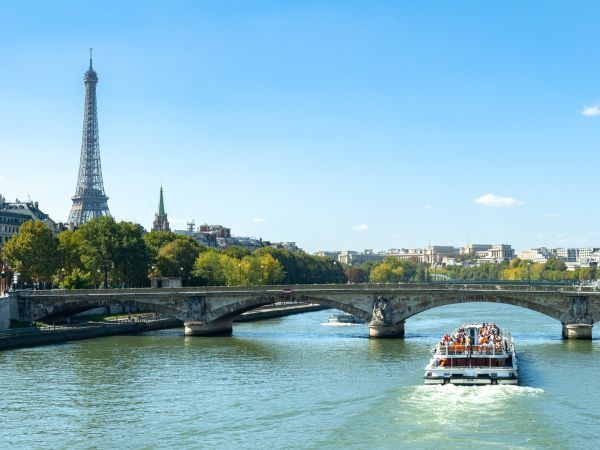
Traveling on a budget doesn’t mean compromising the experience. Some European cities offer great value, where accommodation, food, and transport are more affordable, allowing you to stay longer without stretching your budget. Cities like Budapest offer thermal baths, historic architecture, and affordable nightlife along the Danube. Kraków stands out for its well-preserved old town, cultural sites, and low-cost dining. In Lisbon, you’ll find scenic viewpoints, coastal charm, and budget-friendly local food, especially seafood. Prague combines fairytale architecture, walkable streets, and reasonably priced experiences. These cities give you a complete travel experience, culture, food, and atmosphere, without the higher costs of more expensive European destinations.
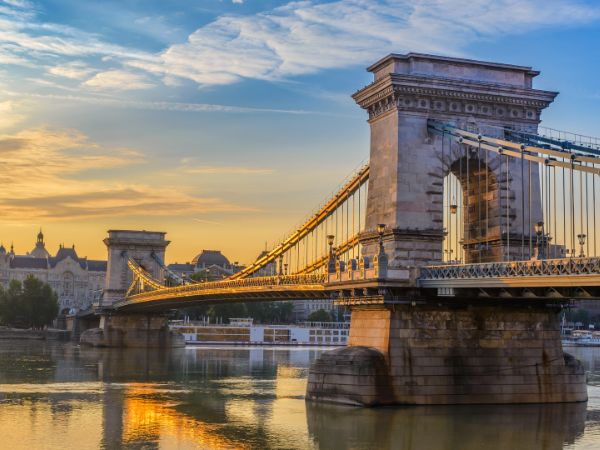
If you’re drawn to museums, architecture, and historic sites, focus on cities where history is part of everyday life. These destinations offer depth, where every street and building adds context to the experience. Cities like Florence are known for Renaissance art, galleries, and historic landmarks, while Athens gives you direct access to ancient ruins and classical history. Vienna stands out for its imperial architecture, museums, and cultural institutions, and Berlin offers a more modern historical perspective with museums, memorials, and significant 20th-century sites. These cities give you more than just sightseeing. They help you understand the stories behind Europe’s past in an immersive, real way.
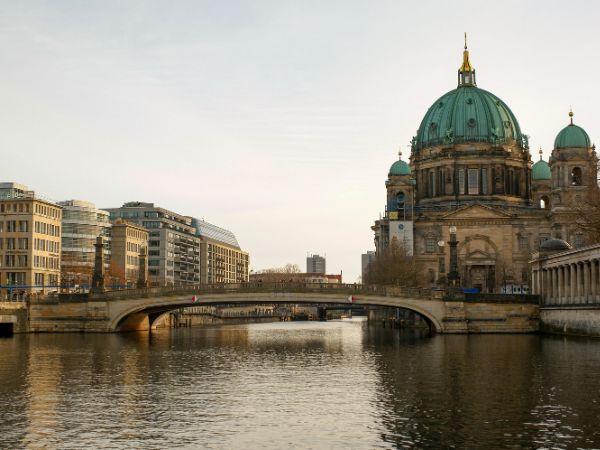
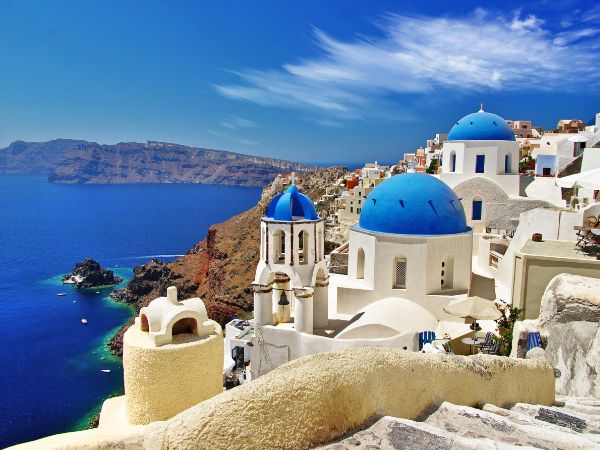
Not every trip needs to be fast-paced. Coastal towns and countryside cities offer a slower rhythm, giving you space to unwind while still enjoying beautiful surroundings and local charm. In fact, many of these spots are among the best holiday destinations in Europe for young adults, especially those who prefer a mix of relaxation and scenic experiences over packed itineraries. Places like Santorini are known for caldera views, Oia’s sunset points, and cliffside stays, while Nice combines the Promenade des Anglais with easy access to nearby spots like Monaco and Cannes. Interlaken offers Lake Thun and Lake Brienz, scenic train rides, and mountain excursions to Jungfraujoch, and Hallstatt stands out for its lakeside views, salt mines, and quiet walking trails. These destinations are well-suited for travelers who want to balance sightseeing with downtime without feeling rushed from one place to the next.
For many travelers, food is the highlight. Some cities stand out for their local cuisine, markets, and dining culture, making them ideal if you want your trip to revolve around what you eat as much as what you see. Paris offers classic bakeries, café culture, and Michelin-star dining, along with food streets and local markets. Rome is perfect for traditional pasta dishes, pizza, and casual street food in historic neighborhoods like Trastevere. In Barcelona, you can look for tapas bars, seafood restaurants, and markets like La Boqueria for a more local experience. Istanbul stands out for its mix of flavors, from kebabs and meze to sweets like baklava, often found in bustling bazaars. You can also consider Bologna for authentic Italian cuisine and Lyon, known for its traditional bouchons and strong food culture. These cities make it easy to experience Europe through its food, whether you’re dining out, visiting markets, or trying regional specialties.
One of the easiest ways to plan a smooth European trip is to choose 2-3 cities that are close to each other and well-connected by train. This cuts down travel time, reduces fatigue, and helps you spend more time exploring instead of constantly moving. For example, pairing Paris with Brussels and Amsterdam works well thanks to high-speed trains, with each city offering a different experience, from landmarks and museums in Paris to compact old-town charm in Brussels and canal-side exploration in Amsterdam. In Italy, Rome, Florence, and Venice form a practical route where you can easily move by train while visiting ancient ruins, art, and distinct local cultures at each stop. For Central Europe, Vienna, Prague, and Budapest are well-linked and known for their architecture, cultural sites, and lively local experiences. These combinations keep travel simple while giving variety across each stop, without adding unnecessary transit time or complexity.
If you only have 3 days, the best city isn’t necessarily the biggest or the most popular—it’s the one that’s compact, well-connected, and easy to experience without constantly being in transit. You want a place where major sights, food spots, and neighborhoods are close enough to cover comfortably within a short timeframe.
A top choice is Paris, as it offers a strong balance of landmarks, culture, and local experiences within a relatively manageable layout. You can move between key attractions, museums, and cafés without wasting time on long commutes, which makes it ideal for a short, well-paced trip.
Other great options depend on your travel style. Amsterdam works well for travelers who prefer a relaxed, walkable city with canals and a slower pace, while Rome suits travelers who want history, architecture, and food all in one place. Barcelona is another strong pick if you’re looking for a mix of culture, good food, and some time by the water.
If you want one clear recommendation, Paris stands out as the most balanced option for a 3-day trip, offering variety without making your itinerary feel rushed or overwhelming.
The best places to visit in Europe vary by time of year, so planning by month can make a big difference. From June to August, cities like Paris and Rome are at their liveliest, with long days, events, and full access to attractions, though prices and crowds are higher. During April to May and September to October, destinations like Barcelona and Amsterdam offer a more balanced experience, with comfortable weather, fewer tourists, and easier movement around the city. From November to March, cities such as Prague and Vienna are quieter and more budget-friendly, with a slower pace and seasonal charm. While temperatures drop and some attractions have shorter hours, this period works well if you prefer fewer crowds and lower overall costs.
Planning a trip to Europe doesn’t have to be complicated. Focusing on fewer, well-chosen cities often leads to a smoother and more enjoyable experience than trying to fit everything in. The key is to prioritize what actually matters to you, whether that’s food, culture, scenery, or pace, rather than following trends or trying to match someone else’s itinerary.
Sign up for Roave Travel to make trip planning simpler and more focused. Get curated recommendations and practical itineraries that match your time, budget, and travel style. Spend less time planning and more time enjoying your trip.
Our handpicked hotel recommendations are designed to provide you with the perfect stay, wherever your journey takes you.

Berlin, Germany

Berlin, Germany
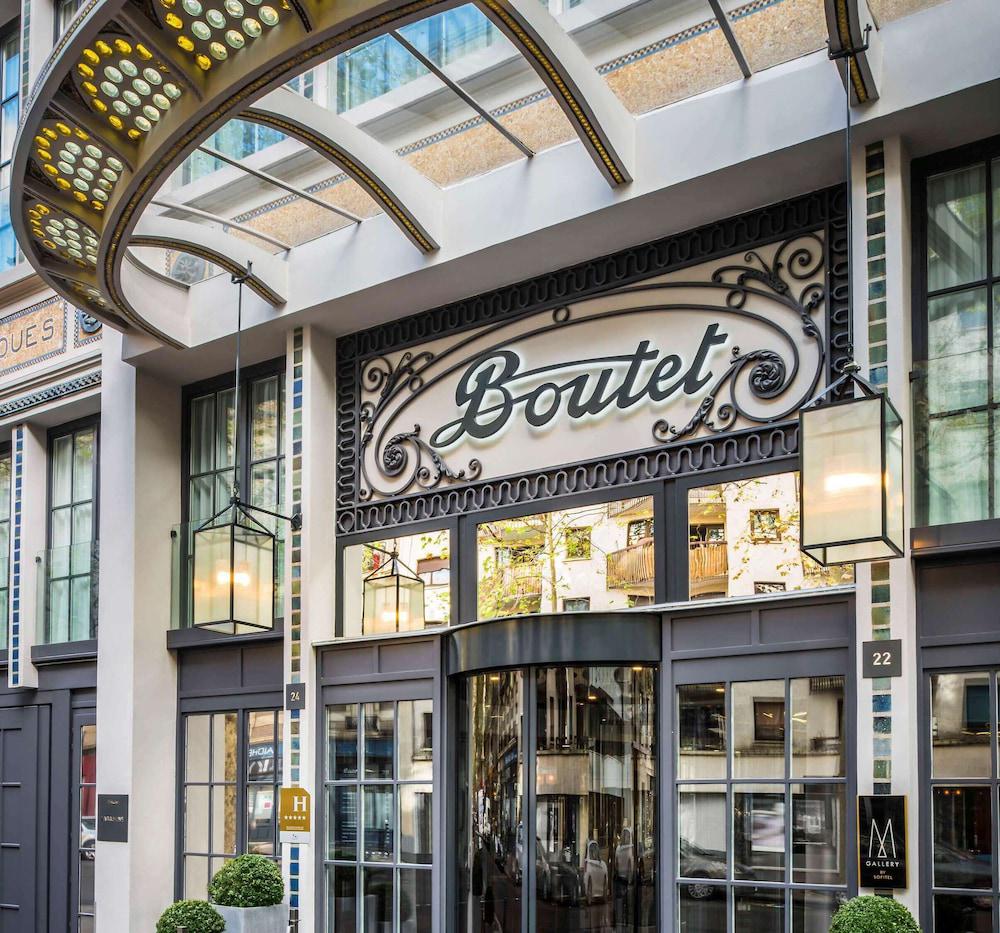
Paris, France

Paris, France
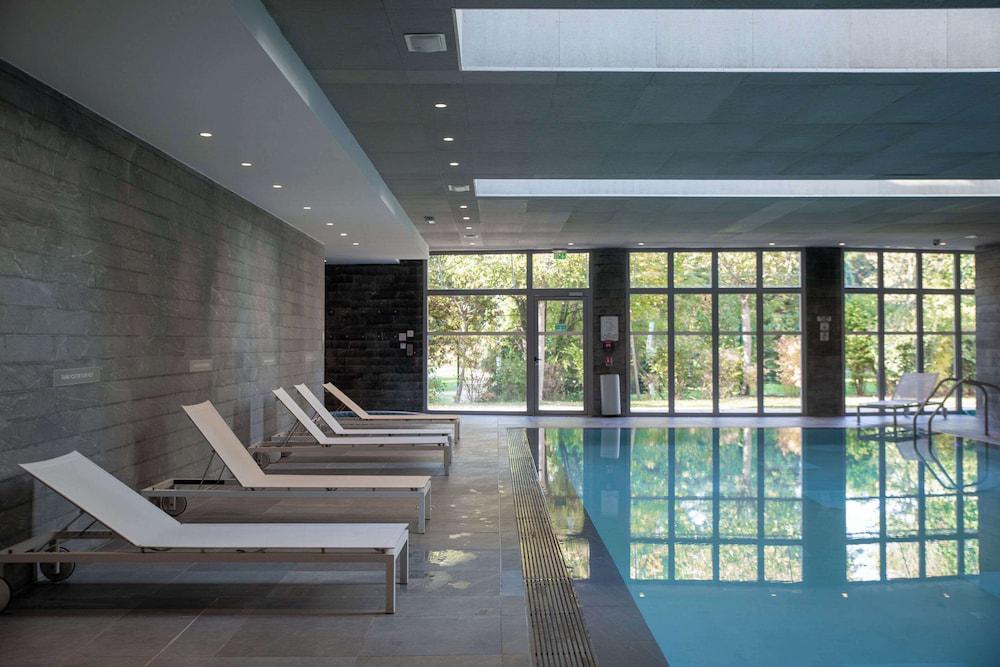
Paris, France
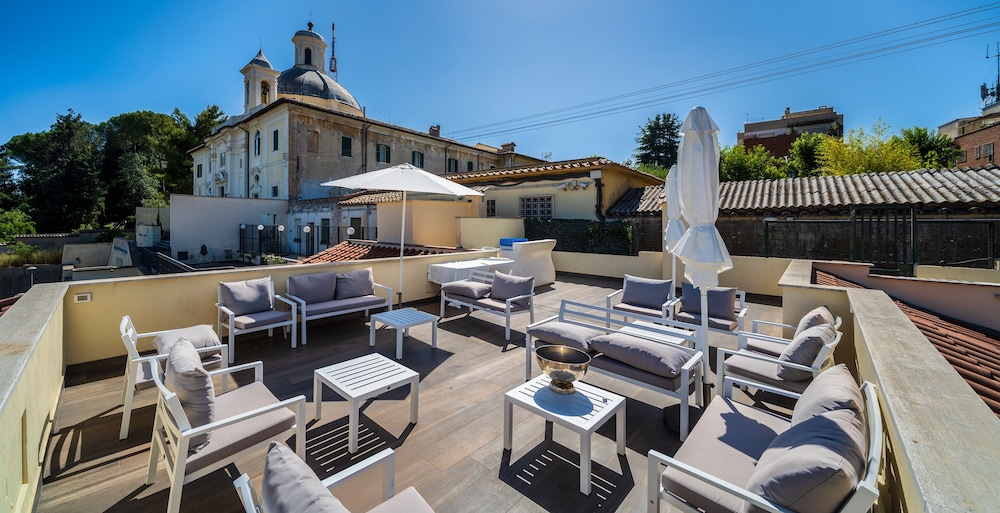
Rome, Italy
Explore articles and posts related to your interests to help you plan your next adventure.